
Every Bite Counts: Nurturing the First 1000 Days of Life
Brief from Poshan Ghar Podcast by Dr. Sameer Pawar, Nutrition Specialist, UNICEF India
During Poshan Maah, the latest edition of the Poshan Ghar podcast featured Dr. Sameer Pawar, Nutrition Specialist at UNICEF India. Dr. Pawar shared practical guidance on infant and young child feeding (IYCF). This op-ed summarises the key points from the podcast, highlighting actionable insights and showing how small, consistent steps can create a lasting impact on a child’s health. You can listen to the full podcast here (link).
Dr. Sameer Pawar has spent more than two decades working to improve the health and nutrition of mothers and children across India. He is currently working as Nutrition Specialist for UNICEF India Country Office based in New Delhi, supporting national level nutrition programmes.
The Beginning of Life: Breastfeeding and Early Nutrition
Good nutrition starts in the womb, but once a child is born, feeding becomes the primary source of sustenance and immunity. The term IYCF covers everything from birth till the second birthday (first 1000 days of life), and these two years are the most sensitive period for growth, brain development, and health.
There are four IYCF golden practices that every family should remember:
Begin breastfeeding within one hour of birth.
Continue exclusive breastfeeding for the first six months—no water or other liquids.
Introduce complementary foods at six months while continuing breastfeeding.
Continue breastfeeding until the child reaches two years.
Following these practices gives children the best chance of survival, healthy growth, and lifelong strength.
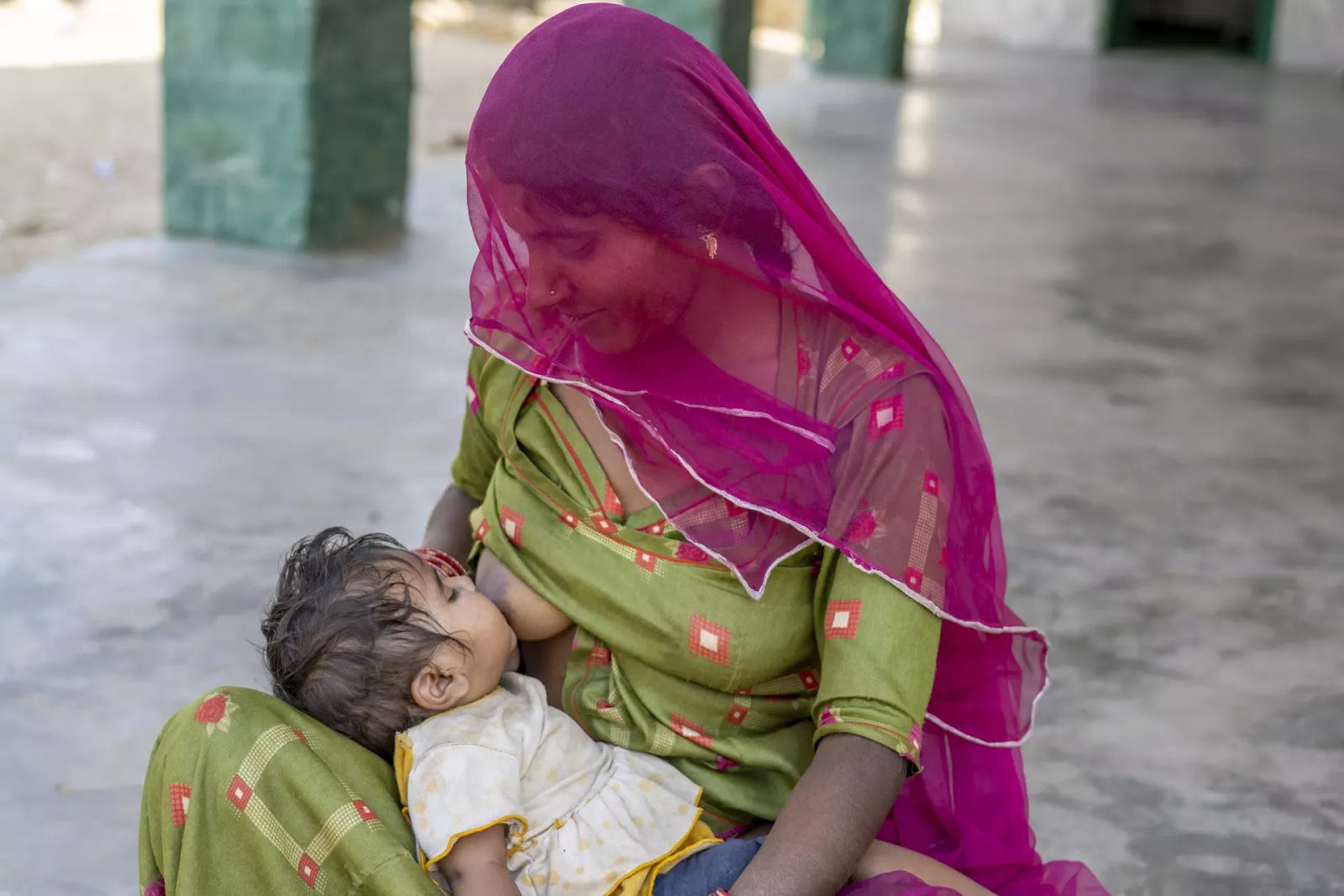
The Science and Magic of Breast Milk
Breast milk is nature’s tailor-made food. The very first milk that comes right after childbirth; colostrum, is thick, golden-yellow, and extremely rich in antibodies, white blood cells, and Vitamin A. It protects the newborn from infections, helps the intestines mature, and even assists in clearing out meconium, i.e the baby’s first stool. On the first day, a baby’s stomach holds only about five millilitres—barely the size of a cherry. By the third day, it holds around twenty millilitres, and by the seventh, about forty. Colostrum’s concentrated composition matches this tiny capacity perfectly.
As feeding continues, foremilk (light and watery in nature) hydrates the baby while hindmilk (thick and creamy in nature) provides fat and energy for growth. It allows babies to feed long enough from one breast before switching ensures they receive both. Breast milk adapts to the needs of preterm babies as well. It is clean, digestible, safe, and always at the right temperature.
Breastfeeding benefits mothers as well as babies. It helps the uterus contract, reduces cancer risks, guards against osteoporosis and bone loss, and aids postpartum recovery. Public health gains are significant: timely breastfeeding could reduce neonatal deaths by 22%, while breastfed babies develop healthier metabolisms, stronger brains, and lower risks of obesity and diabetes. Beyond nutrition, it fosters an irreplaceable emotional bond of comfort and security between mother and child.
Breastmilk isn’t just a food; it is a connection of comfort and security that no substitute can replace.
Starting Complementary Foods
At six months, breast milk alone no longer meets nutrient requirements for iron, vitamin A, and energy. By this time, the baby’s digestive system is also ready for complementary foods. Starting complementary foods before six months can cause infections, while delaying beyond seven or eight months risks nutrient deficiencies and slowed growth. Six months is the sweet spot where the baby needs more and can handle other foods.
Complementary feeding focuses on four aspects: consistency, frequency, quantity, and variety.
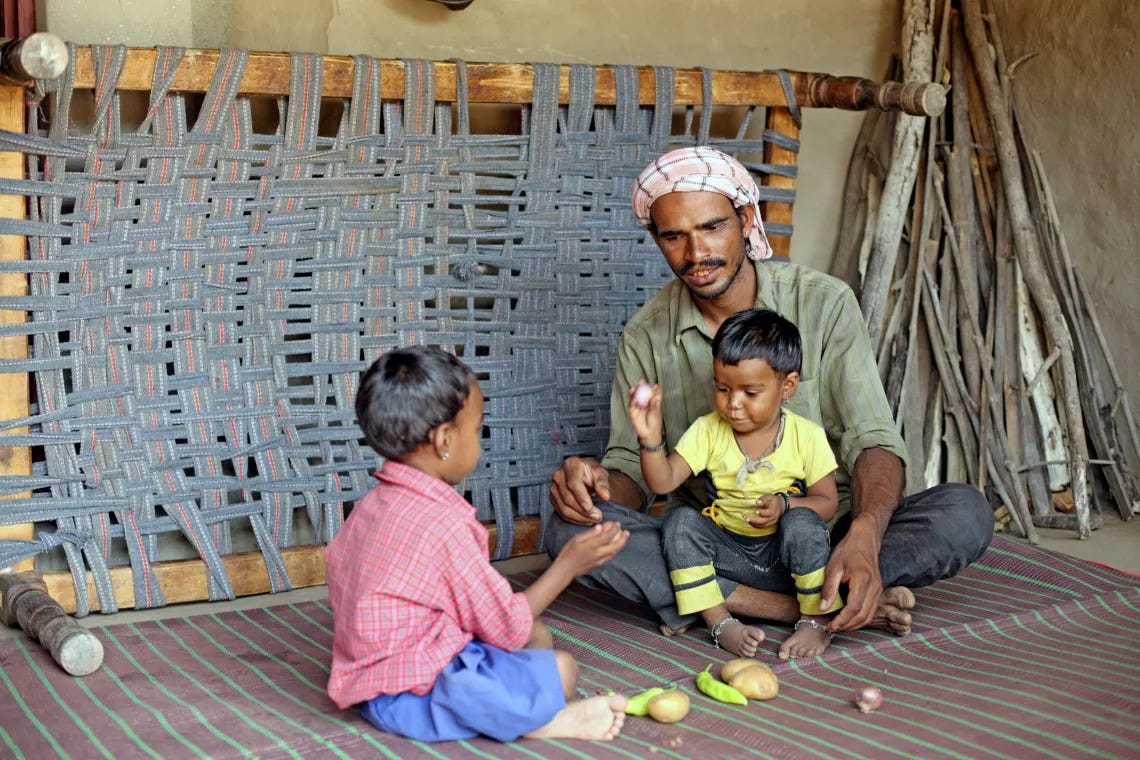
Consistency - Serve thick, energy-dense foods instead of watery ones. Between six and nine months, offer mashed and soft foods. The test is simple: when you put the food on a spoon and tilt it, it should not slide off immediately. If it stays, it’s the right thickness. Thick foods are energy-dense and fill the small stomach better. From nine to twelve months, allow babies to pick up small, soft pieces using their pincer grip. By one to two years, children can eat the same family foods, cut into smaller pieces.
Frequency and quantity - Babies’ stomachs are small (180–200 millilitres) between six and twelve months. Begin with two to three small meals a day, gradually increasing quantity and frequency. By one year, offer half a bowl per meal, with one or two healthy snacks. Between one and two years, provide three-quarters of a bowl, five times a day. Avoid salt or sugar; natural foods provide all the needed taste and nutrients. Continue breastfeeding until two years and beyond.
Variety - A child’s diet should be as colourful as possible. Out of eight essential food groups: breast milk, grains and roots, pulses and beans, nuts and seeds, milk and milk products, meat and fish, eggs, and fruits and vegetables, every meal should ideally include at least five of these. This ensures that the baby gets the right mix of proteins, vitamins, minerals, and fats. A colourful, varied plate nourishes the body and encourages a healthy appetite.
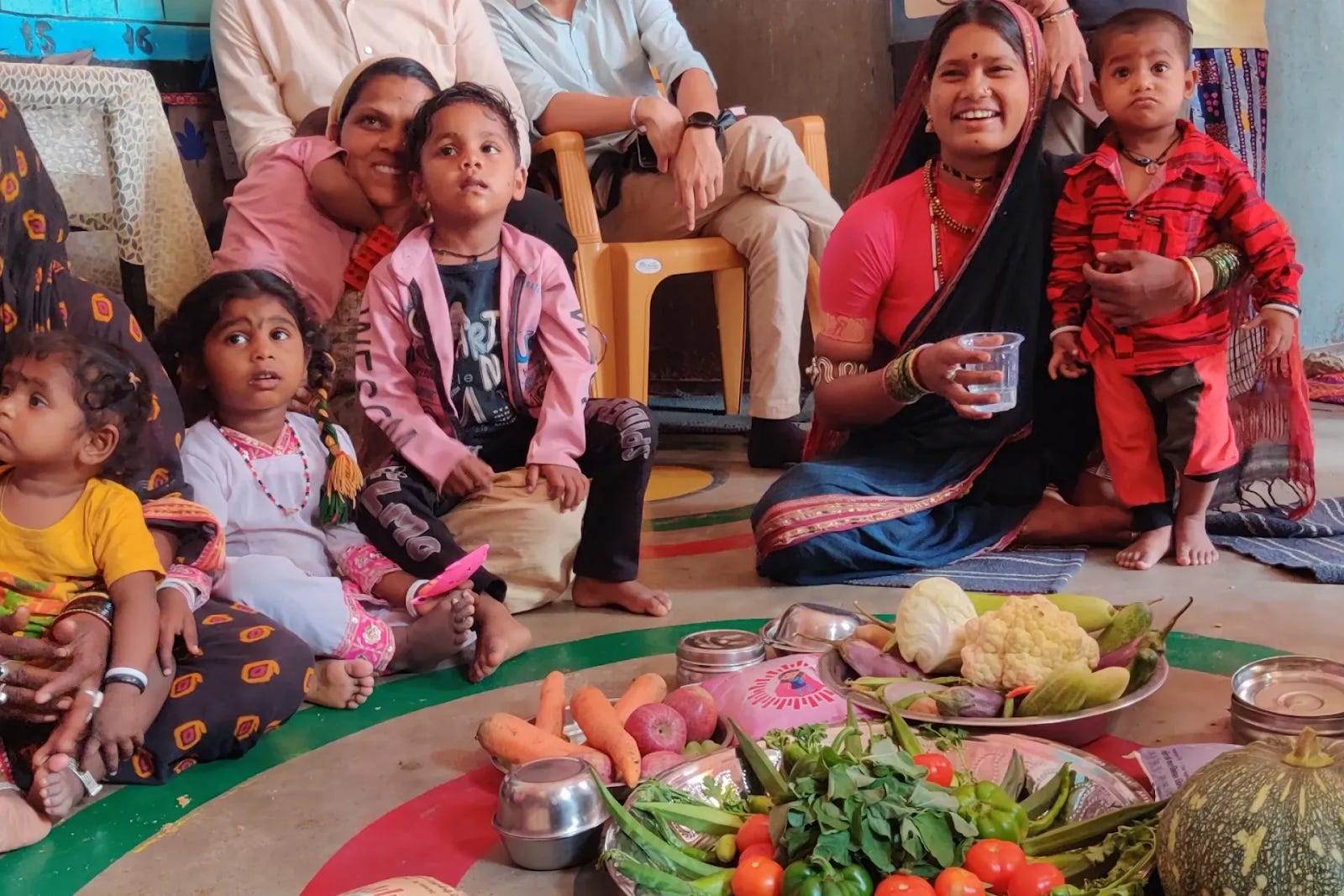
Feeding as a Family Effort
Feeding is more than just providing food; it is a form of connection. Babies signal hunger through lip-licking, hand-sucking, or turning the head; crying is a late sign. Signs of fullness include slowing down, turning away, or closing the mouth. Feeding should be calm, patient, and playful—a moment of bonding, not a task to rush.
Feeding is a shared responsibility, but often it is seen as a mother’s responsibility. Fathers, grandparents, and caregivers can support mothers emotionally and practically. Simple appreciation, sharing chores, helping with cooking, or taking turns feeding strengthens the family and models empathy and teamwork. Active family participation ensures healthier children and reduces stress on mothers, while dispelling myths about child feeding.
To sustain these positive practices, Social and Behaviour Change (SBC) must lie at the heart of every effort to turn knowledge into action by engaging families, communities, and frontline workers together. Information alone is not enough—it requires intention, trust, and shared understanding. Through consistent conversations, community dialogue, and positive role-modelling, SBC helps address myths, shift mindsets, and enable communities to make informed choices.
The Way Forward
The larger picture is not just about feeding children—it’s about shaping futures. Good nutrition during the first 1000 days of life determines how a child learns, grows, and lives. It influences not only individual health but also the health of communities and the nation.
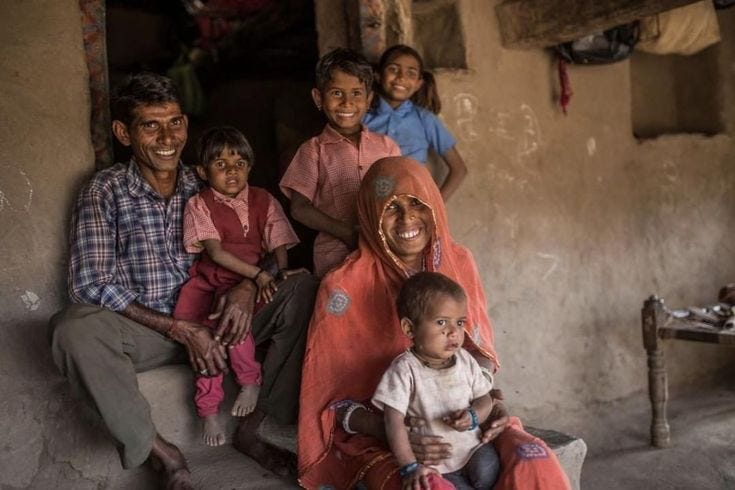
The way forward is simple and powerful. Families must treat feeding as a shared responsibility, not a burden on mothers alone. Communities and health workers must continue spreading the right information, breaking myths, and encouraging small, consistent actions. Support systems—from Anganwadi Centres to family elders—should work together to ensure no child is left behind in these crucial early years.
At the heart of it lies awareness and empathy. When families understand that every drop of breast milk, every spoonful of food, and every shared moment of care contributes to lifelong wellbeing, they begin to act differently. Feeding becomes not just nourishment, but an act of love.
“The first 1,000 days are the foundation for everything that follows. If we nurture them right, we nurture the future,” says Dr. Pawar.
Every bite truly counts!
Have stories, insights, or case studies on health, nutrition, WASH, child protection, or social behaviour change? We would love to hear from you. Reach out at arpita.d@zealgrit.com.
To join Poshan Ghar, click here and be a part of a diverse and dynamic community!
Follow Poshan Ghar on LinkedIn, Facebook, Twitter, Instagram, and YouTube.
P.S. Enjoying this content? Subscribe directly to receive future updates by clicking below.